From Footfall to Familiarity: How Mall Branding Builds Brand Memory Before Any Store Visit Happens??
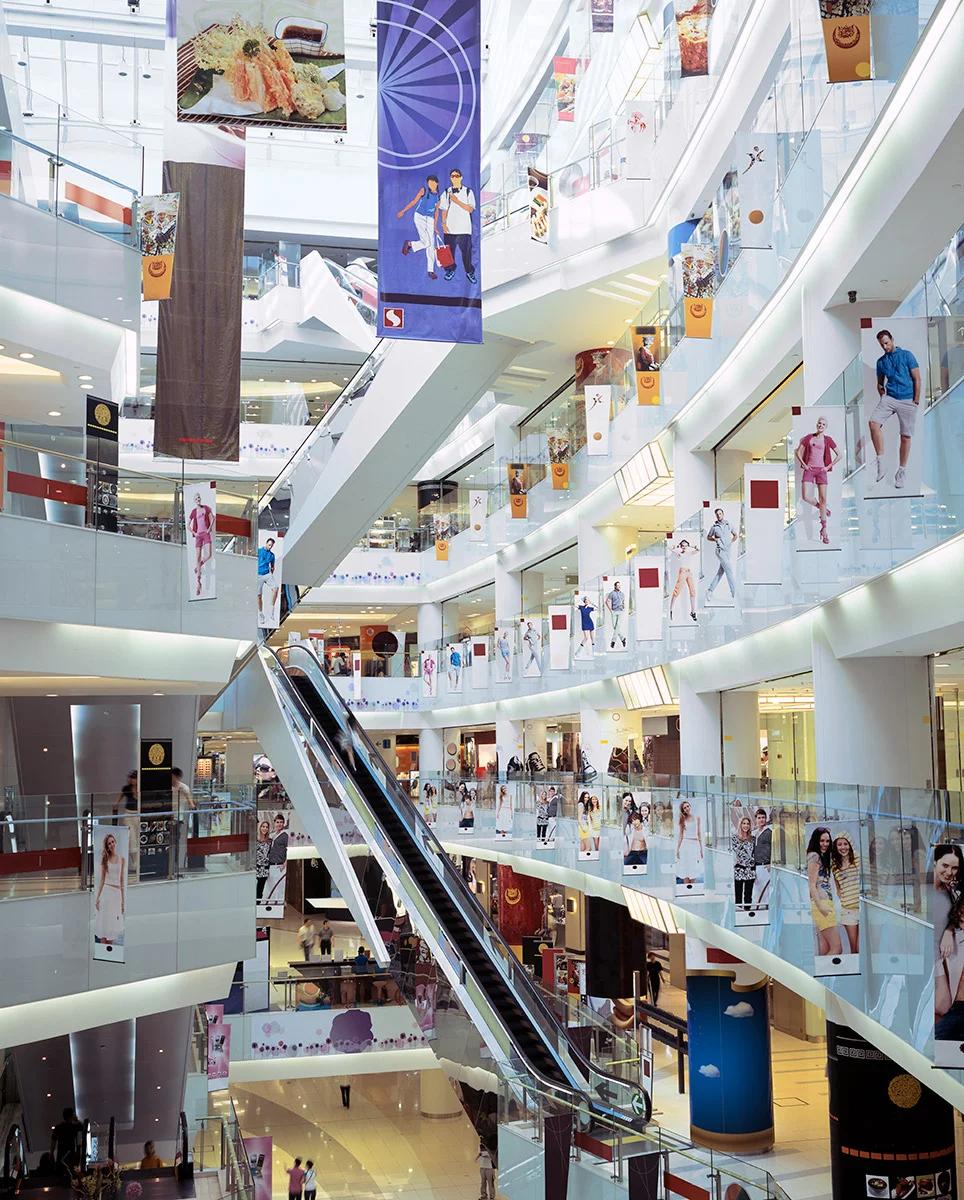
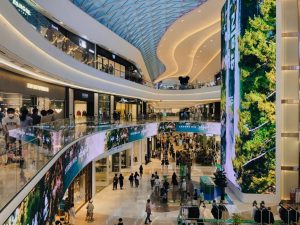
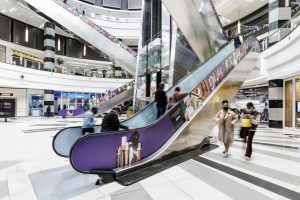
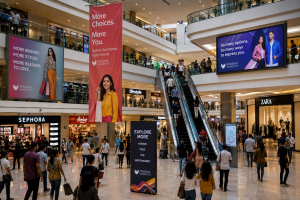
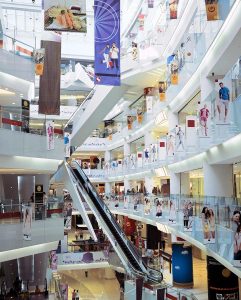
Mall branding builds brand memory by influencing consumers before they make a purchase decision. Many shoppers believe they choose brands only after entering a store, but in reality, familiarity is often created much earlier. Mall environments expose consumers to repeated visual messages through entrances, atriums, escalators, digital screens, floor graphics, and large-format installations. These repeated impressions quietly shape brand recognition long before a retail interaction begins.
Why familiarity begins before the store visit
A shopper entering a mall encounters dozens of brands during the journey from parking areas and entrances to food courts and retail corridors. Unlike traditional outdoor advertising, mall branding reaches consumers in a comfortable indoor environment where dwell time is longer and attention is more focused.
An innovative mall OOH campaign becomes part of the shopper’s movement through the space. Even when consumers are not actively searching for a product, repeated exposure creates familiarity and increases the likelihood that the brand will be remembered later.

The psychology of brand memory
Brand memory is built through repetition and context. When shoppers repeatedly see a brand across multiple mall touchpoints, the brain begins to treat that brand as familiar. Familiarity reduces uncertainty, increases perceived credibility, and improves recall during future purchase decisions.
This process often happens subconsciously. By the time a shopper reaches a retail store, the brand may already feel known, trusted, and worth considering.
How mall branding strengthens recall
The most effective mall branding campaigns create multiple connected exposures. A consumer may first notice a large atrium display, later see escalator branding, encounter a digital screen near the food court, and finally pass storefront graphics.
These sequential impressions reinforce each other. Instead of a single advertisement, the shopper experiences a consistent brand presence throughout the mall journey, making recall significantly stronger than isolated media exposure.